OpenPatron: Automated trespass management platform
- Rylan R.
- rylan@turing.lol
- www.openpatron.net
Abstract
OpenPatron is a proposal for a automated trespass management system for any public facing establishment using facial recognition.
OpenPatron identifies every patron upon entry and alerts personnel the moment a trespassed individual attempts to re-enter.
Upon an incident occurring OpenPatron makes it simple to bar the patron and provide the applicable evidence to report to law enforcement. Reports sync across all business locations in real time.
1. Introduction
Retail suffers when items are locked up. Spending drops as community centers become overrun with civil disorder. The only solution is strict, swift, and just enforcement from the private sector.
Giving power back to businesses is needed. The ability to see problematic individuals entering their establishment; refusing them service or keeping them under surveillance in order to keep services high.
The days of neighborhood stores knowing every regular are long gone in most parts of America. Expecting high-turnover staff to remember troublesome patrons is a tall order. That being said, disorder and theft are still rampant problems that need to be solved. Systems like OpenPatron already exist, but they are in the hands of government bodies or are industry-specific, or are only practical for large multi-national chains. There needs to be an open platform that any business can connect to.
2. Central Database
In addition to the internal list of trespassed patrons. Businesses can submit to OpenPatron at any time. Submissions are verified for accuracy before sharing to all subscribed.
Business owners can subscribe to shared lists from the OpenPatron database, covering categories like “Theft,” “Misconduct,” and “Violent Offenses”. These are sourced from OpenPatron entries and public court records. Categories automatically flag matching individuals upon entry and trigger silent alerts to staff.
3. Detection
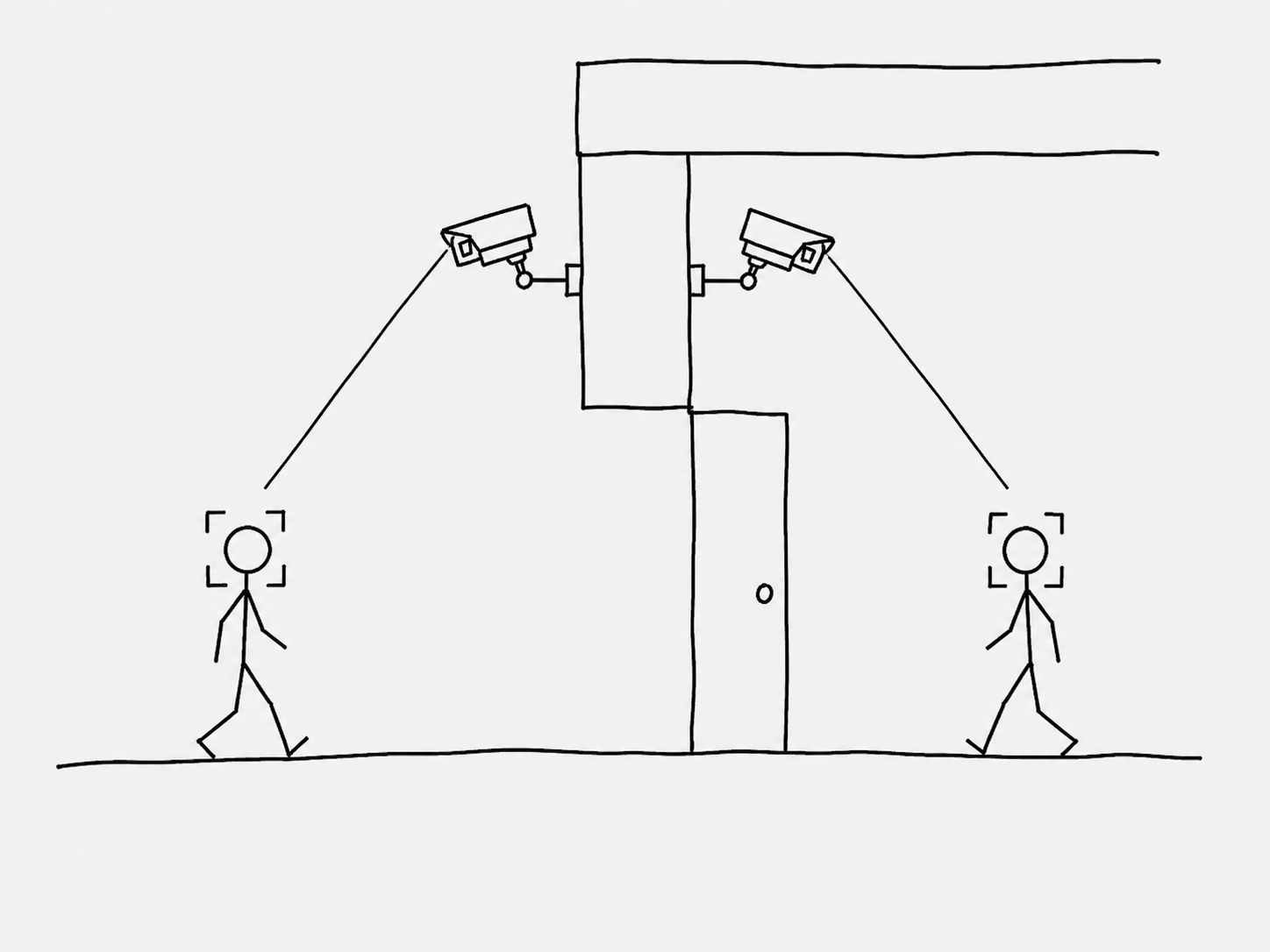
Cameras are installed at every entry and exit point of an establishment. This will give a clear picture of all individuals currently on the premises. When a person of interest is detected, the system will alert staff. From there the businesses choose how to proceed. Whether that means a formal trespass notice issued by security staff or notifying local law enforcement of the individual’s presence. [1]
4. Post-Incident
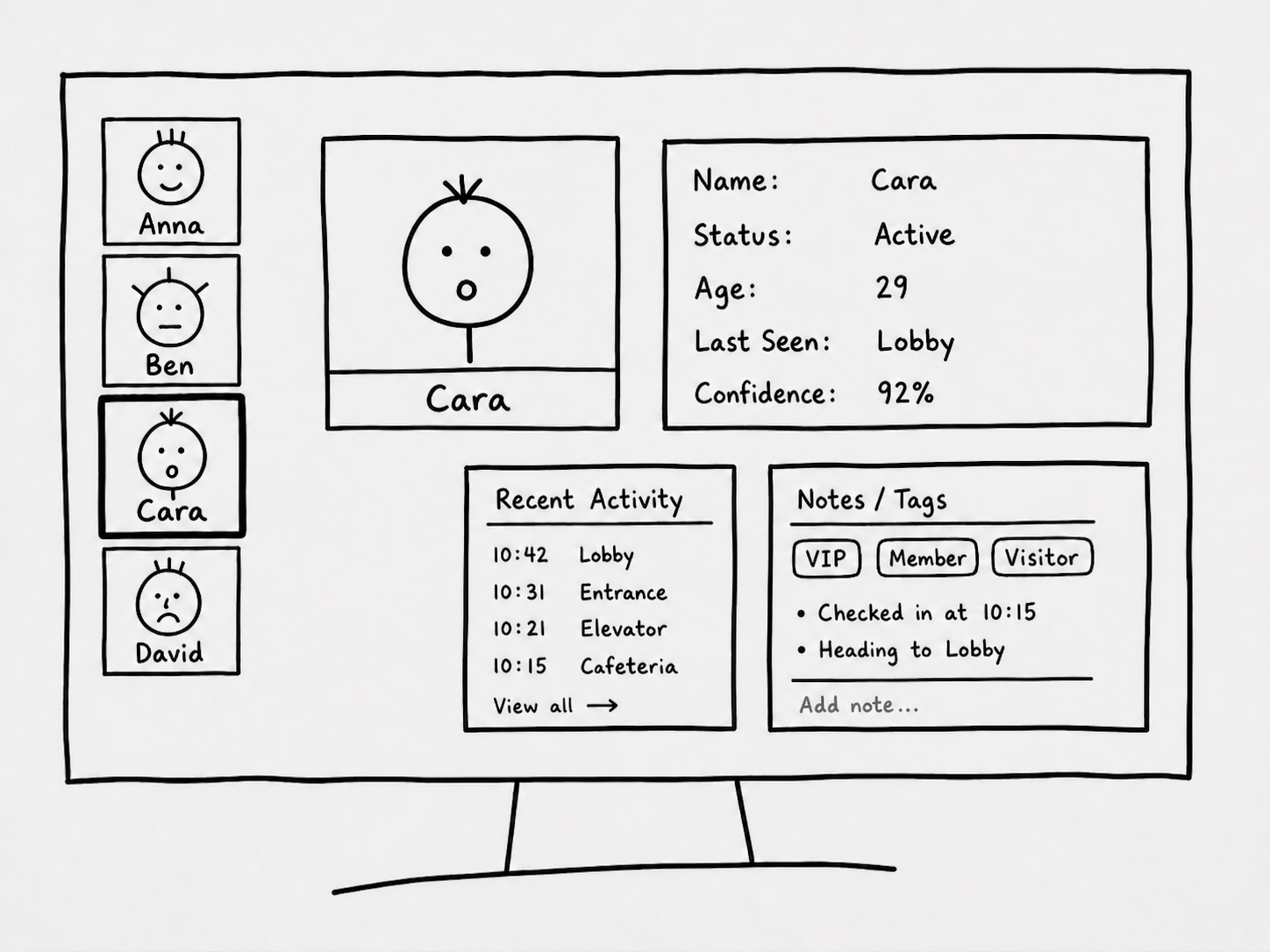
After an incident has occurred on premises, select the person of interest from a timestamped list of entrants and enter all known details about the incident. Then describe and label the incident, e.g. disorderly conduct or theft. After this, a copy will be sent to local law enforcement and be added to the OpenPatron database.
5. Implementation
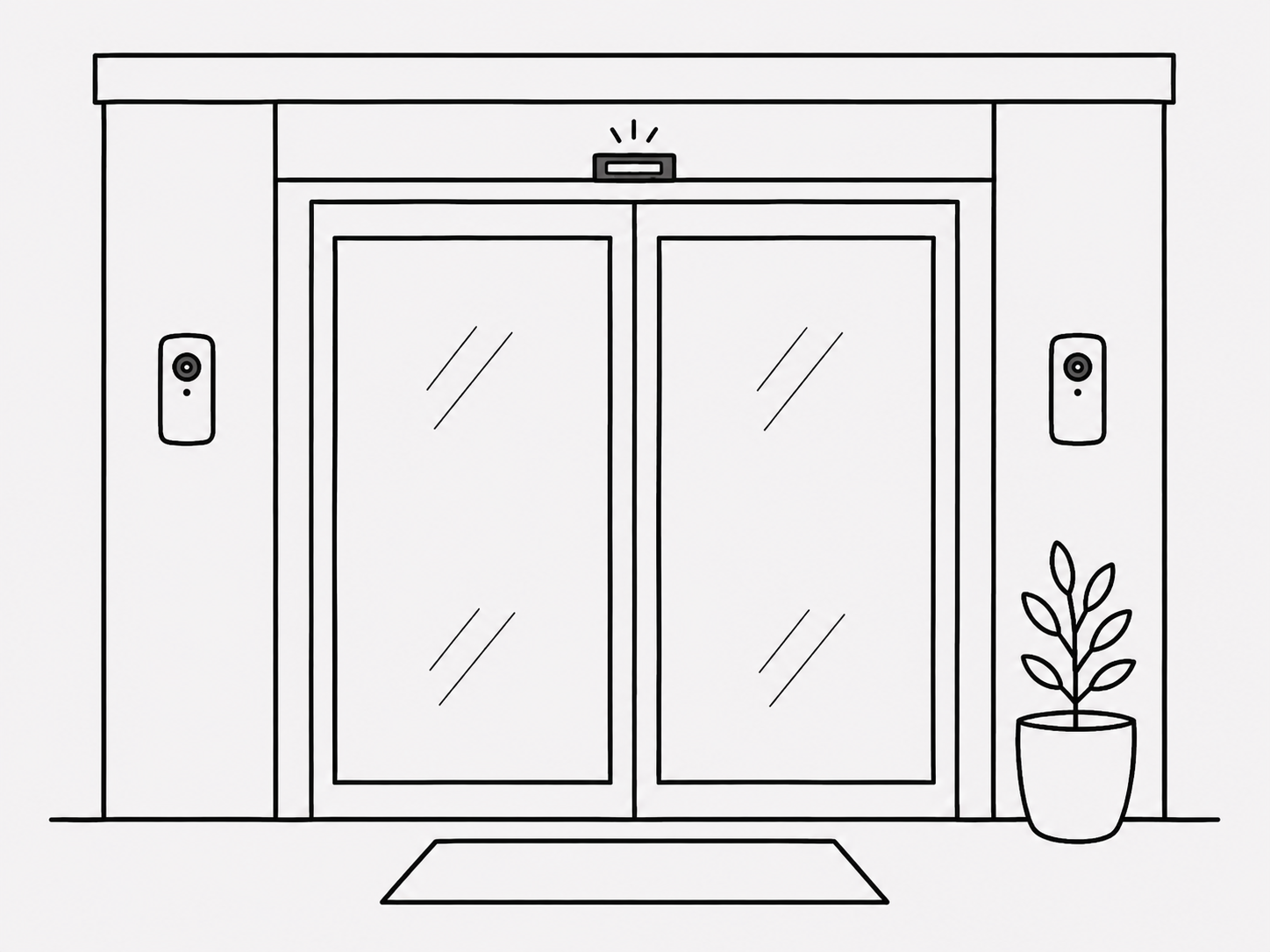
OpenPatron will go to market with an integrated doorway camera. This is the camera is designed specifically for this task and will preform better than existing security installations.
6. Privacy
The private data of entrants to an establishment is not compromised. Entrants are not auto added to the system, and there are no logs kept of them beyond 72 hours; their facial embed will only be used to make a match against existing persons. The exception being information about an entrant will be saved upon their involvement in an incident. In applicable states, the correct precautions will be taken, such as optional opt out or affirmative consent.
7. Conclusion
Any establishment that is open to the public would improve operations with this system. The proposed system allows all visible forms of misconduct to be tracked, and a historical view of a person’s actions to be drawn.
If there is an understanding within the general public that offenses will be documented and taken seriously, it will, in turn, lead to better and more orderly conduct being displayed.
[1] In the FTC’s Rite Aid enforcement action, the FTC alleged that Rite Aid’s use of facial recognition for retail security was unfair because the company failed to implement reasonable safeguards against false-positive matches and resulting consumer harm. In the FTC complaint, the FTC alleged that match alerts led to actions such as surveillance, removal from stores, public accusations, searches, blocked purchases, and police calls. The FTC order applies to Rite Aid specifically and does not categorically bar other companies from using facial-recognition security systems, but it signals that such systems should include safeguards such as accuracy testing, false-positive monitoring, staff training, complaint handling, retention/deletion controls, clear notice, and human review before adverse action.